Country-led public art embedded in the built environment.
Grounded in Country Guided by Community
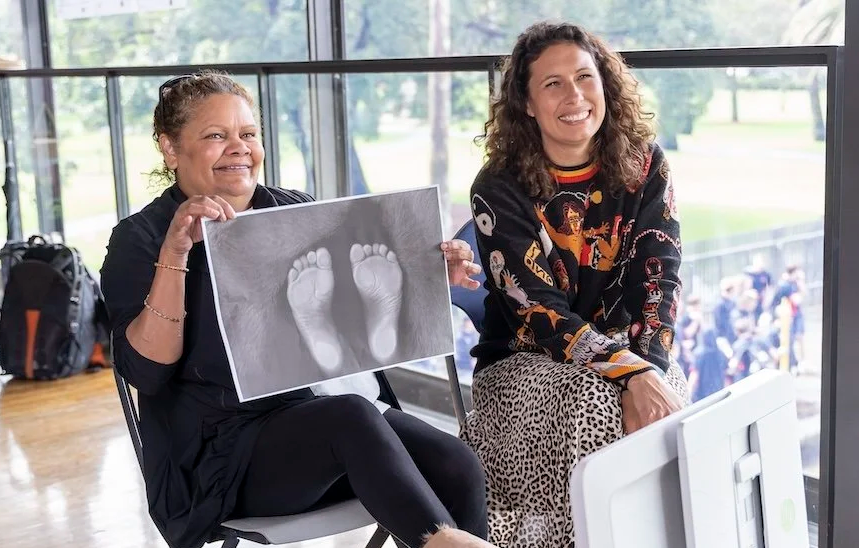
bidi bidi is an Aboriginal-led practice, intergrating Country-led public art across the built environment.
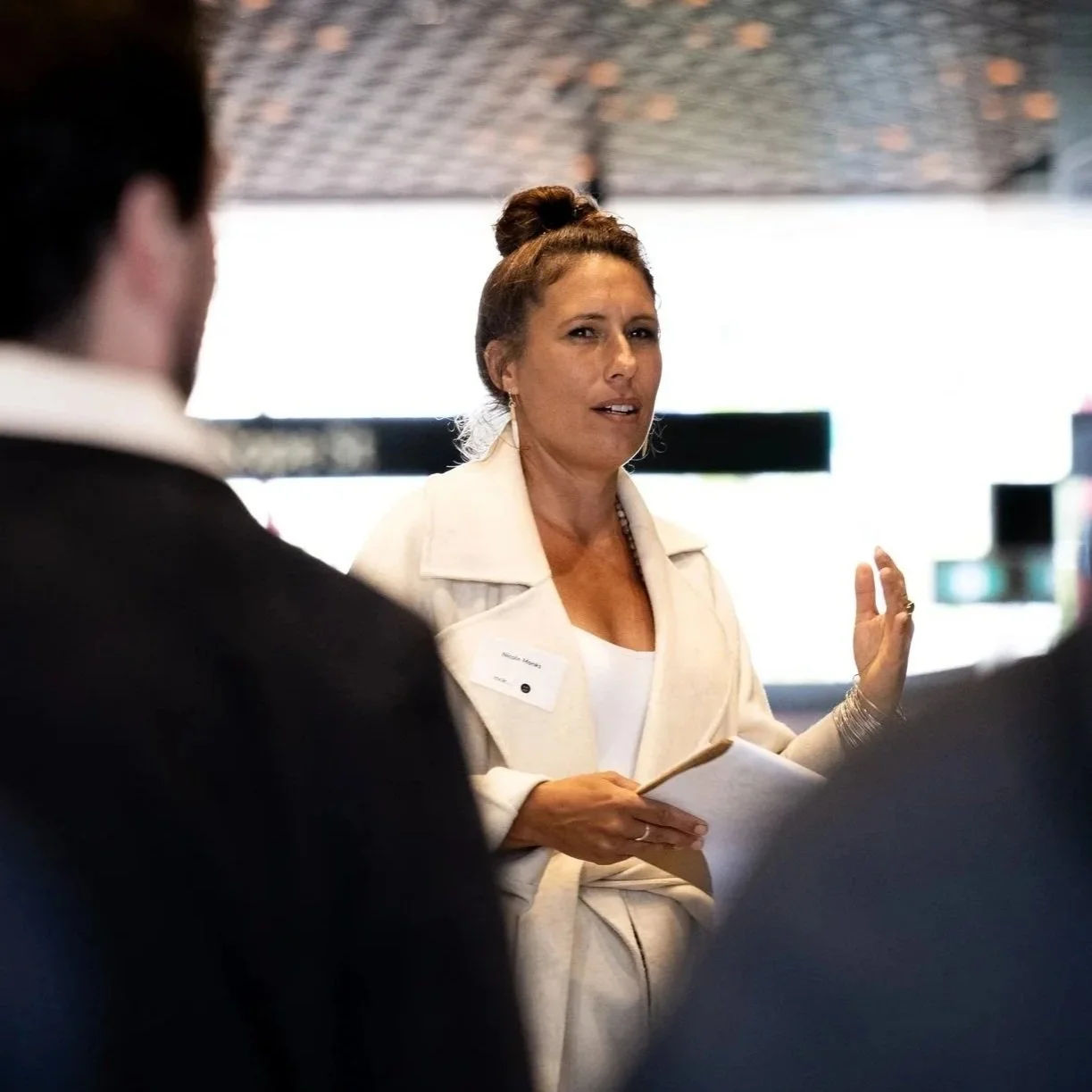
Led by Nicole Monks, our work sits at the beginning of projects, grounding ideas through Country+Community methodology, Designing with Country and place-based design thinking.
We walk alongside Communities, clients, design teams and contractors, weaving cultural knowledge, mark making and shared journeys into concepts that are held with care.
Bidi Bidi focuses on process as much as outcome, creating grounded foundations that support meaningful, respectful work, establishing cultural governance, engagement and statutory frameworks that hold space for Community and for the approval and delivery process.


Our Ways
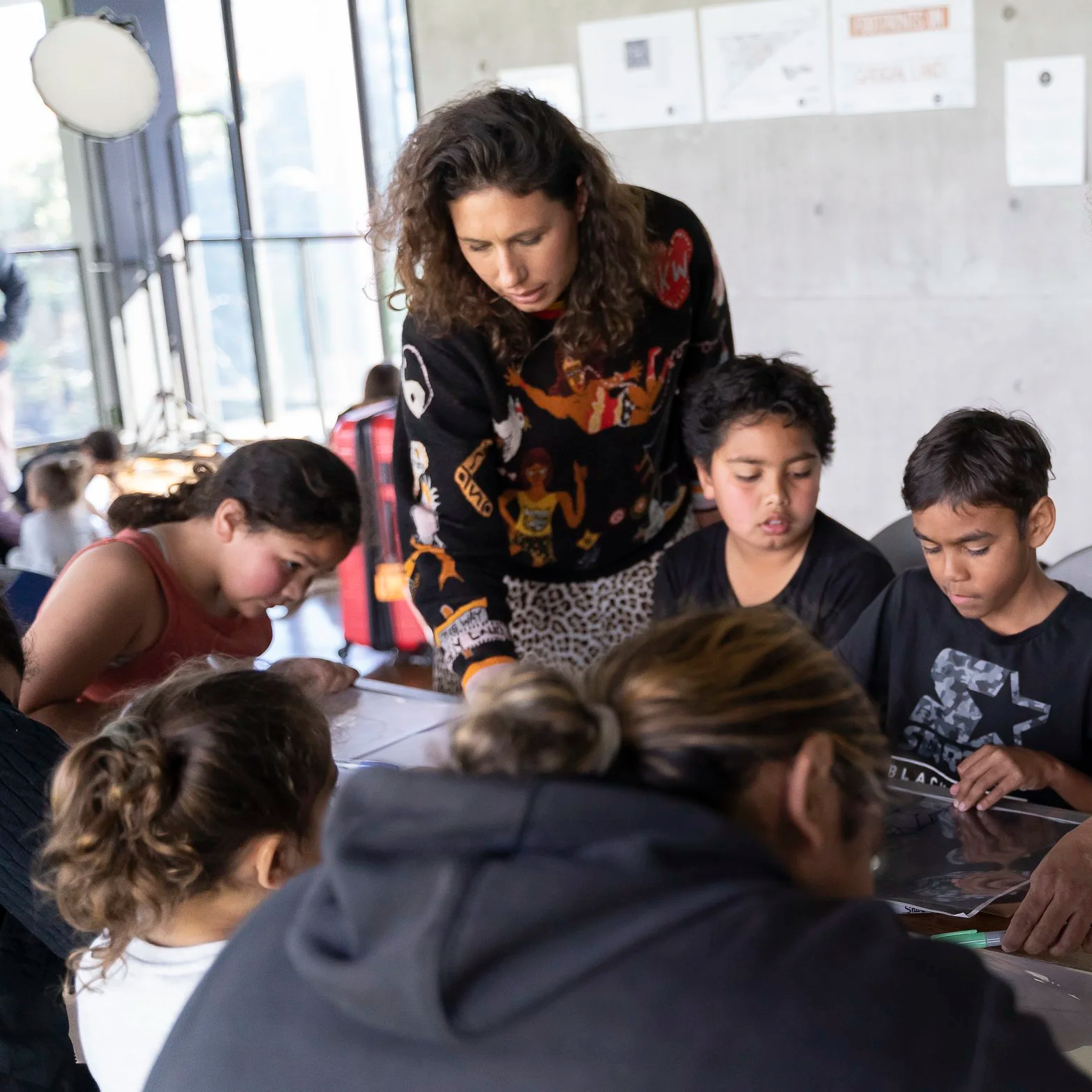
First Nations knowledge-holder and Community engagement
Walks on Country
Yarning Circles
Co-creation and collaborative workshops
Mentoring opportunities for local artists and knowledge-holders
Connection between Community, client and consultants
Indigenous-led cultural governance frameworks
ICIP protection, consent pathways and attribution protocols
Clear documentation of process and outcomes
We call this the heart work.
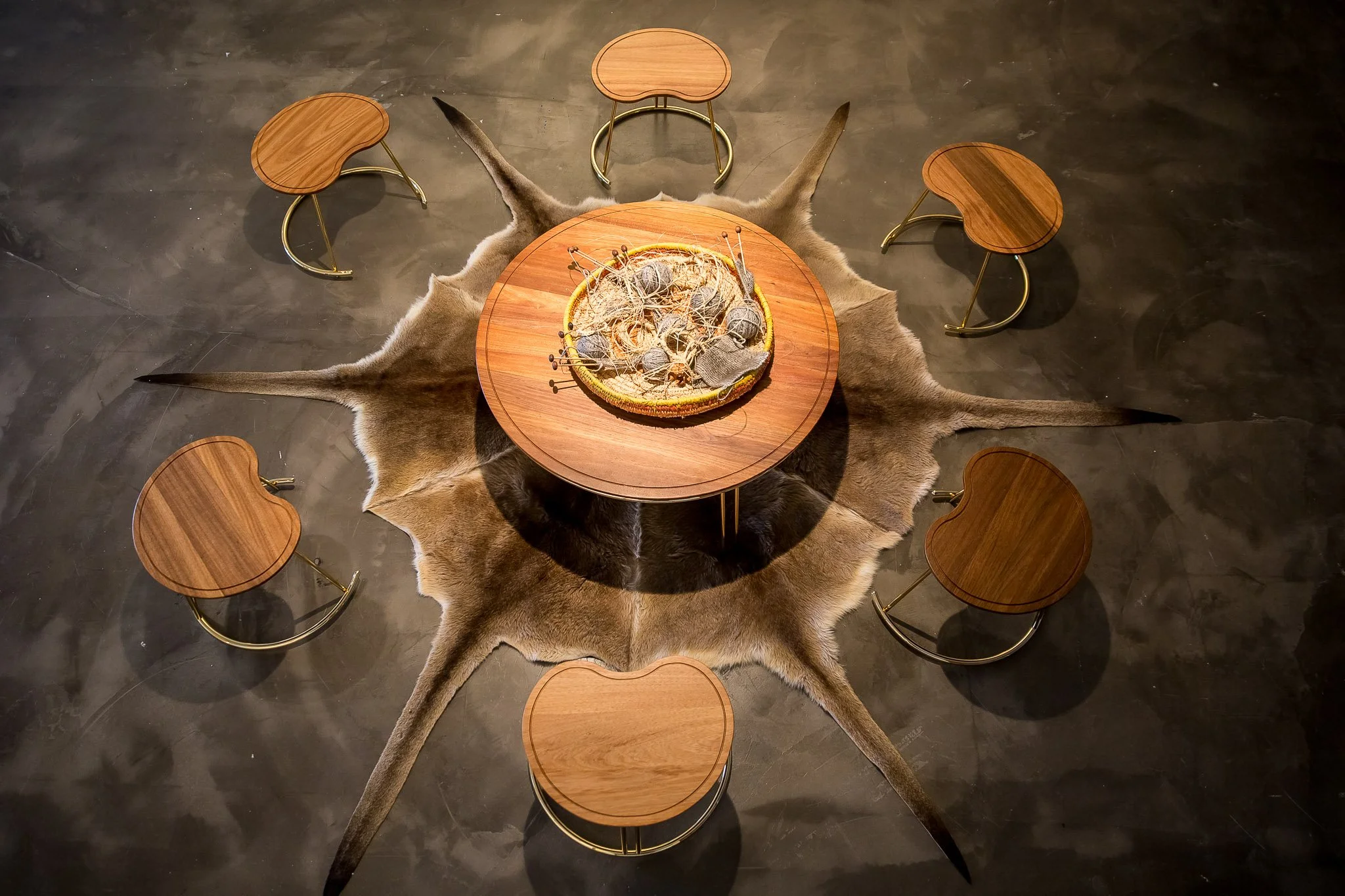
Translating Country+Communtiy outcomes into the built environment
Aboriginal Artist curation, procurement pathways and commissioning models
Material, form and location mapping
Collaborative, mentoring and co-creation methods
Country-Led Public Art Strategies (SSD / DA / SDRP-ready)
Precinct-wide place and public domain frameworks
Cultural Brief implementation
Stage-based implementation planning and oversight
We call this the hand work.
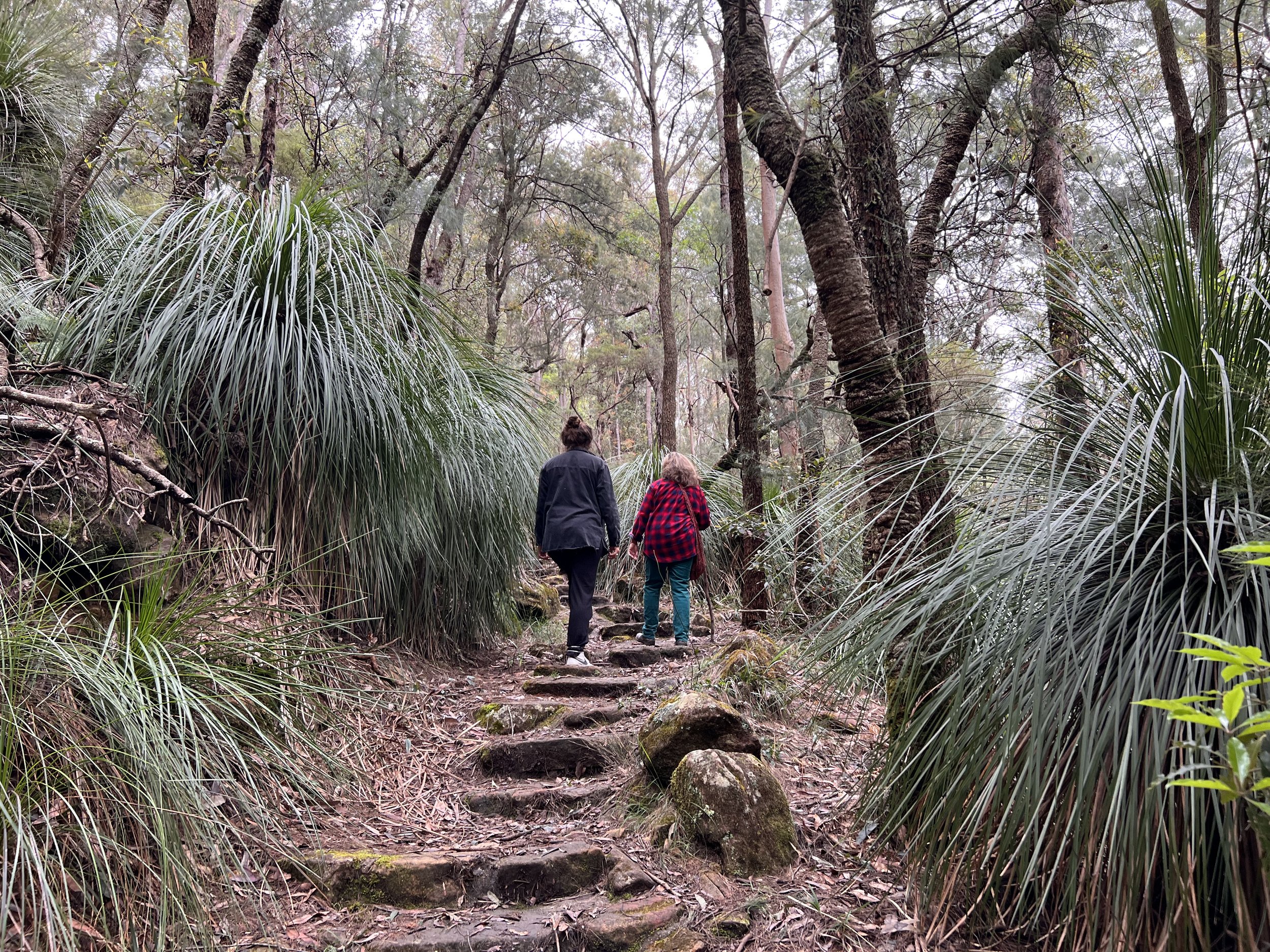
Working collaboratively with client, design teams and consultants
Build connections between all stakeholders
Risk management for approval, reputation and delivery
Early-stage strategic guidance to set projects up correctly
Broader community engagement
Integration with architecture, landscape and urban design
Implementation strategy
Continuity from concept to completion
We call this the connection work.
Our Team

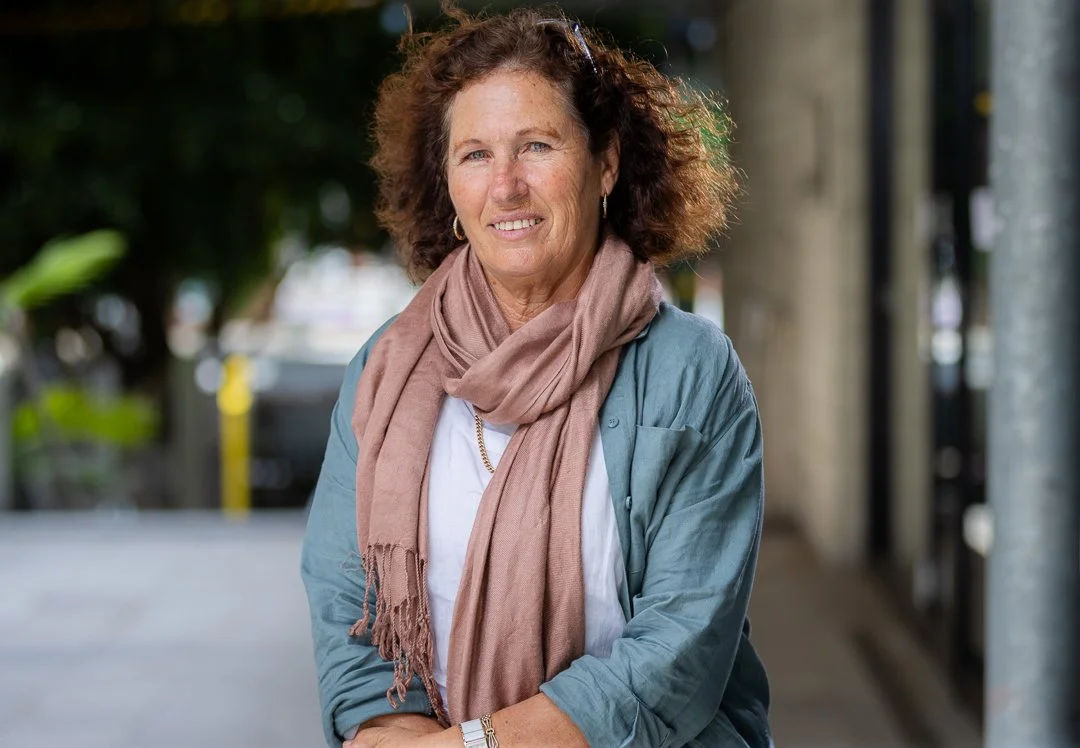
Nicole Monks
FounderMonks is a multi-disciplinary creative of Yamaji Wajarri and European heritage living and working on Awabakal (Newcastle).
An award-winning designer and artist, Monks crosses many disciplines across contemporary art and design. Monks is well known for her success as a solo and collaborative artist and founder of blackandwhite creative (bidi bidi) and mili mili.
Nicole was the winner of UNSW Art & Design Indigenous Professional Development Award, ArtsNSW Aboriginal Design Grant, Vivid Design competition (furniture) and Good Design Award and Design Institute of Australia award - Place.
Photo credit - Joseph Mayers
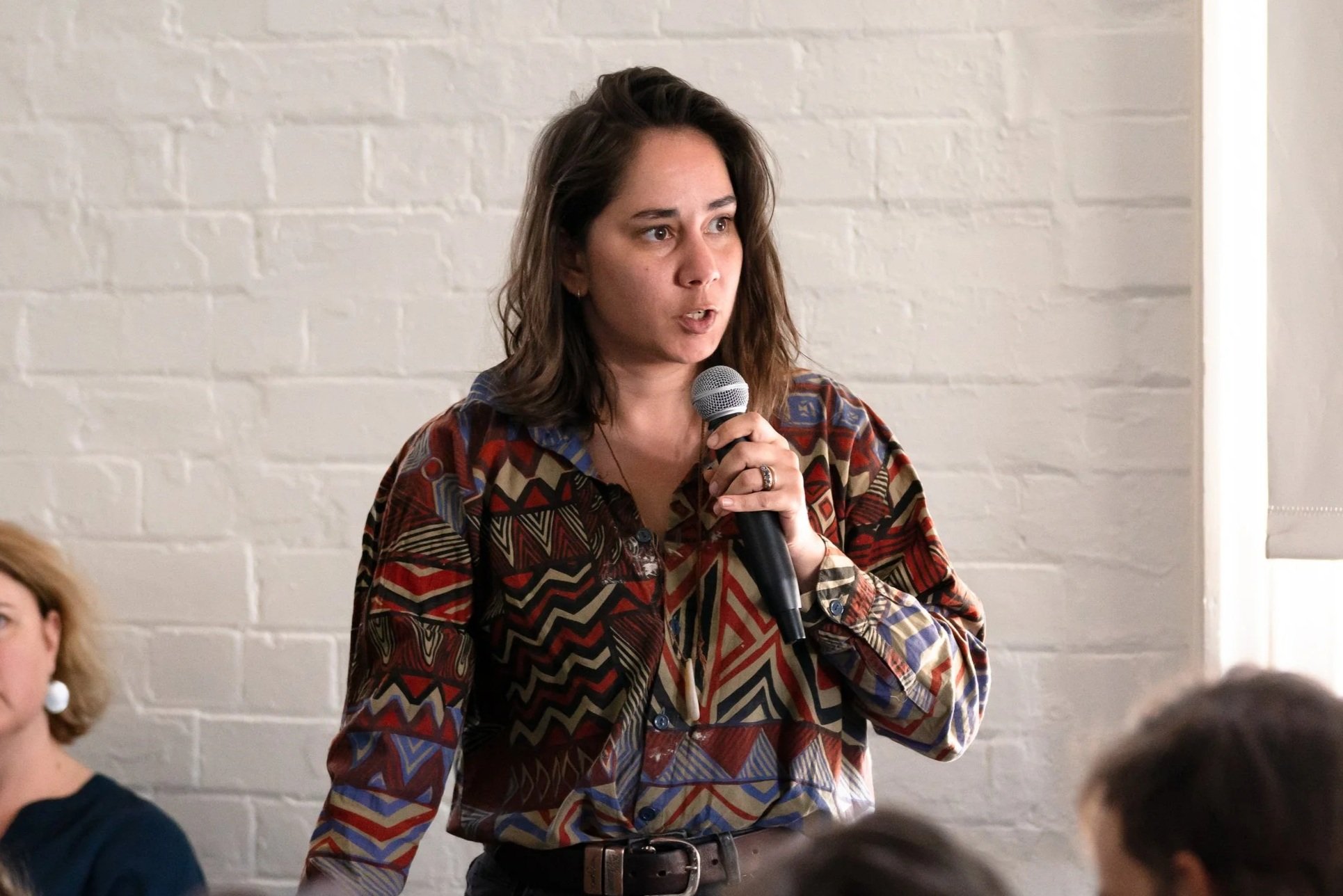
Coby Edgar
CuratorCurator and proud Larrakia, Jingili, and Anglo woman from the Northern Territory, currently living and working on Gadigal Country.
Coby has over fifteen (15) years experience as a Curator in institutions including the Art Gallery of South Australia (AGSA), Art gallery of NSW and Powerhouse Museum (MAAS), Sydney.
At bidi bidi, Coby develops cultural narratives in close collaboration with Community, and curates and works with artists to articulate these narratives within the public domain.
Photo credit - UNSW barangga
Jenine Boeree
Project ManagerYamaji artist and experienced arts worker Boeree has a strong background in project management across large-scale public art and cultural projects.
Her practice spans the coordination of artists, fabricators, consultants and stakeholders, supporting the delivery of complex works from concept through to installation. Jenine brings a practical, detail-focused approach to managing timelines, budgets and approvals, while ensuring cultural integrity and collaborative outcomes are maintained throughout the project lifecycle.
Photo credit - Joseph Mayers
Our Outcomes
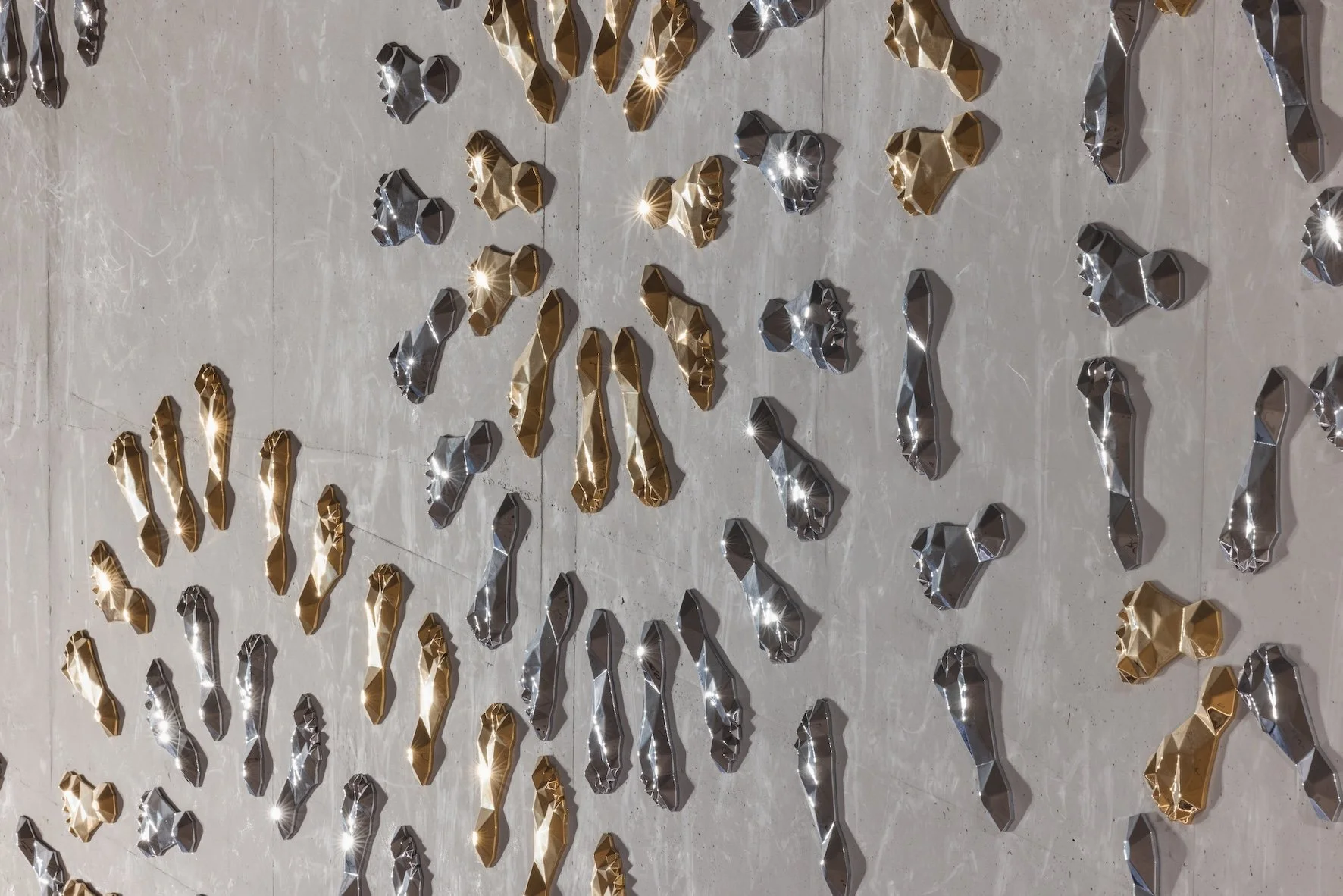
Footprints on Gadigal Nura
Waterloo Station, Gadigal LandNicole Monks
Uncle Chicka Madden
Aunty Joanne Timbery
Jodie Choolburra-Welsh
Roscoe and Brolga Dance Academy
Wayne Quilliam
Local Aboriginal Community
Bibi Barba - Transport NSW
Developed through a deeply collaborative, community-led engagement strategy that centred Gadigal Country, knowledge holders, and lived experience at every stage of the project. Recognising Botany Road as a First Nations thoroughfare, the project approached Waterloo Station not merely as infrastructure, but as a living site of cultural continuity, where past, present, and future footprints walk together.
Engagement began with early consultation and guidance from Elders, including Uncle Chicka Madden, Auntie Joanne Timbery and Bibi Barba (Transport NSW- Cultural Advisor), ensuring cultural authority and protocol informed the conceptual foundations of the work. This guidance shaped the project’s philosophy, narrative direction, and site responsiveness across all locations.
A series of open and inclusive Community co-creation workshops formed the heart of the project. These workshops invited Community members across generations to contribute stories, ideas, movement, imagery, and reflections on Gadigal Country, identity, and belonging. Rather than extracting content, the process prioritised shared authorship, where participants actively shaped the narratives that would ultimately be expressed in the public domain.
Collaboration extended to Aboriginal Community, artists, dancers, and cultural practitioners, including collaboration with photographer Wayne Quilliam and the Brolga Dance Academy led by Jodie Choolburra-Welsh. Young dancers contributed embodied storytelling, movement, and portraiture, bringing intergenerational voices into the work and ensuring the project reflected both cultural continuity and contemporary expression.
Across Sites A, B, and C, the engagement strategy ensured that Community participation was not symbolic, but structural, embedded in decision-making, artistic direction, and final outcomes. The project fostered a space where all cultures are welcomed to engage, learn, and connect with Gadigal history, while maintaining cultural integrity, respect, and accountability.
Through this process, FOOTPRINTS ON GADIGAL NURA stands as a model for Country-led public art, demonstrating how infrastructure projects can meaningfully support cultural storytelling, strengthen social cohesion, and leave a legacy shaped by Community voices.
Photo credit - Scott Cameron
Signal Fire
McKillop Park, Freshwater BeachNicole Monks
Bush to Bowl
Local Northern Beaches Knowledge Holders
Local Aboriginal Community
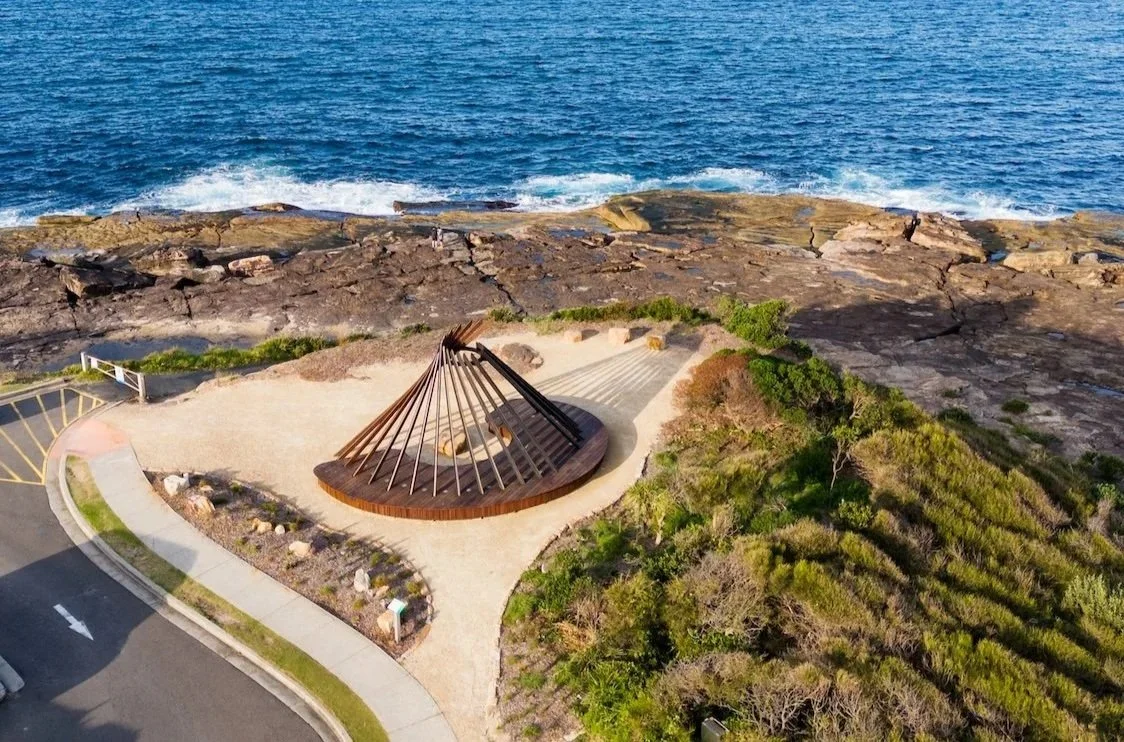
Signal Fire is a culturally embedded architectural place-maker developed through bidi bidi’s Country+Community design process, drawing on Aboriginal fire knowledge, storytelling, and custodian land practices. Located on Freshwater Headland, the project marks the beginning of the Northern Beaches Coast Walk and establishes a space for reflection, gathering, and shared storytelling, honouring the past while embracing future generations.
The engagement strategy was grounded in deep listening, yarning, and walking Country, undertaken in close collaboration with local Knowledge Holders and Community. These practices were not consultative add-ons but were embedded throughout the project lifecycle, shaping conceptual direction, site placement, material choices, and future activation. Community guidance directly informed the decision to set the structure back from the headland, preserving natural beauty, protecting ecological values, and respecting cultural sensitivities.
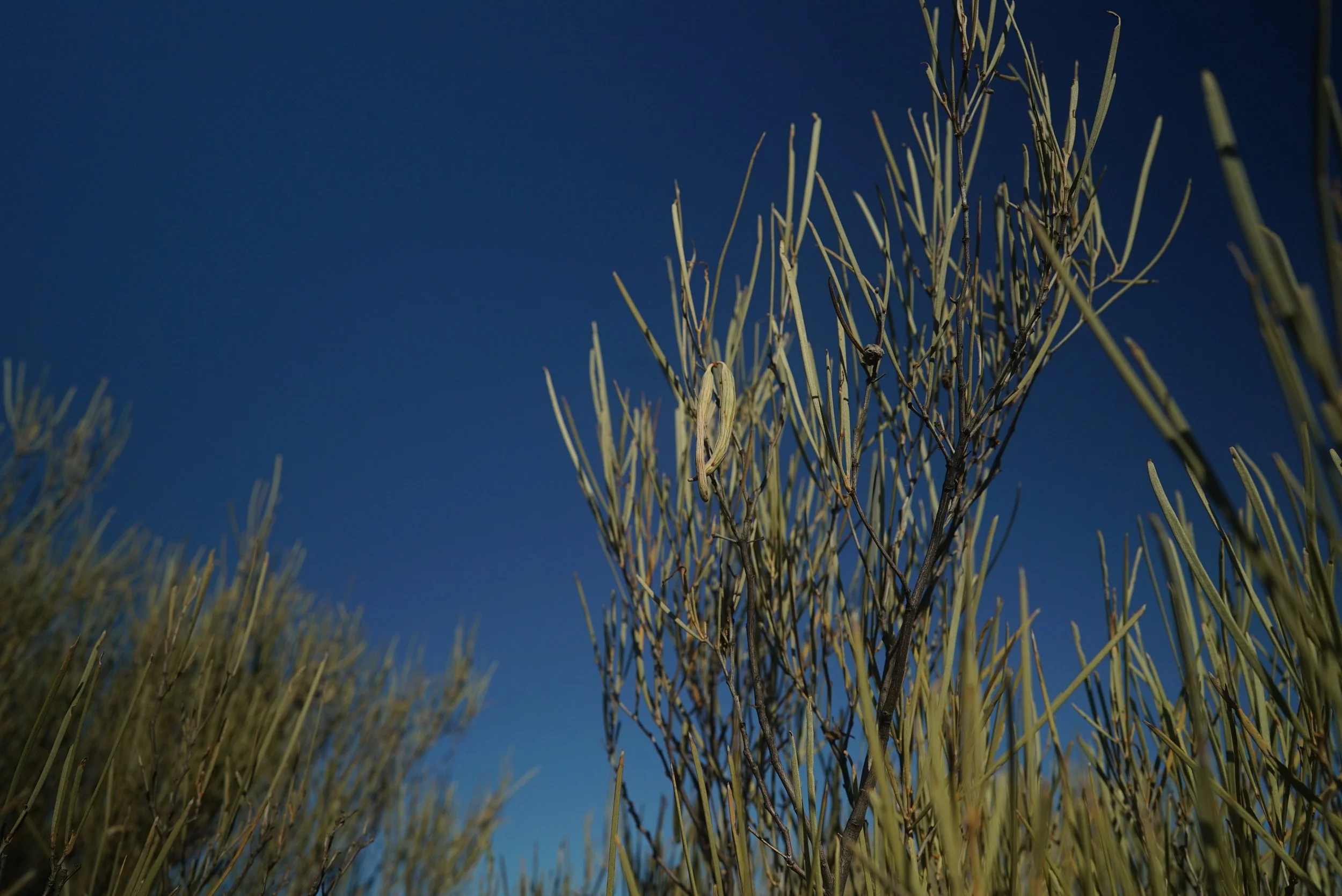
Co-creation workshops formed a central component of the process, including a women’s workshop that played a key role in shaping design elements. Participants contributed stories, cultural knowledge, and hands-on making, including the supplying and burning of banksia pod imagery on site. The banksia pod, historically used to carry and transfer fire, became a central narrative within the work, symbolising cultural continuity, care for Country, and intergenerational knowledge transmission.
Community collaboration extended beyond storytelling into land regeneration and ecological repair. Collaboration with Bush to Bowl led the replanting of the endangered Eastern Banksia shrub, regenerating the site and reinforcing the project’s holistic approach to honouring Country. This regeneration strengthens biodiversity, supports native birdlife, and ensures that cultural and environmental outcomes are inseparable.
Designed as an inclusive and multi-use gathering place, Signal Fire supports a wide range of community activities from whale watching, walking, exercise, and birdwatching to ceremony, reflection, and cultural practice. The space fosters cultural safety, belonging, and cross-cultural engagement, encouraging knowledge exchange and shared custodianship among Aboriginal and non-Aboriginal visitors alike.
More than a sculptural landmark, Signal Fire exemplifies the potential of architecture and public art to foster deep connections between people, place, and culture. Through genuine collaboration with local Aboriginal Community, the project sets a benchmark for culturally responsive, socially impactful, and environmentally grounded design, embodying bidi bidi’s commitment to Country+Community at every level.
Photo credit - Scott Cameron
Breathe
Yeo Park, AshfieldMaddison Gibbs & Nicole Monks
Debrah Lenis
Inner West Council Aboriginal Advisory Group
Bush to Bowl
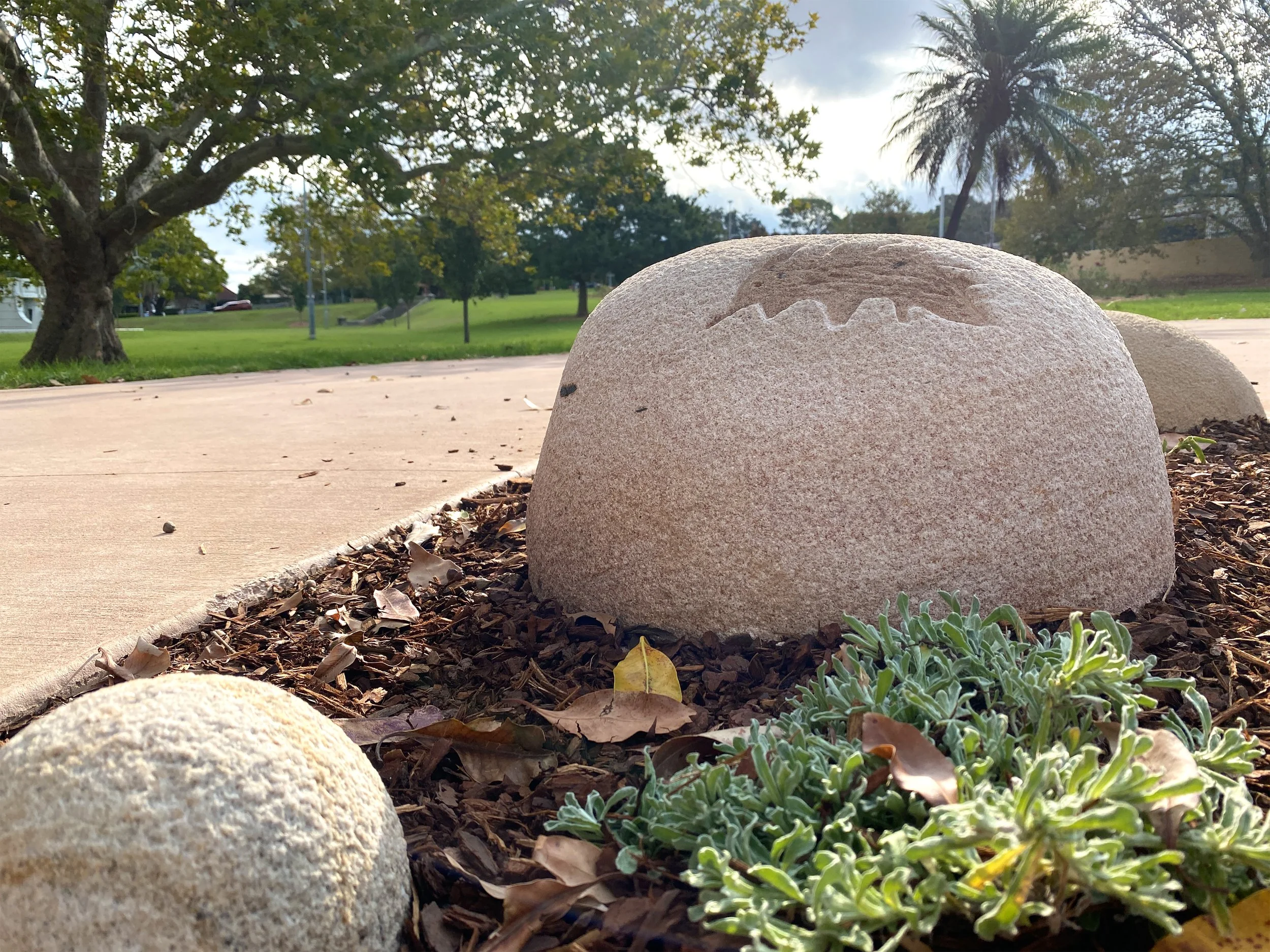
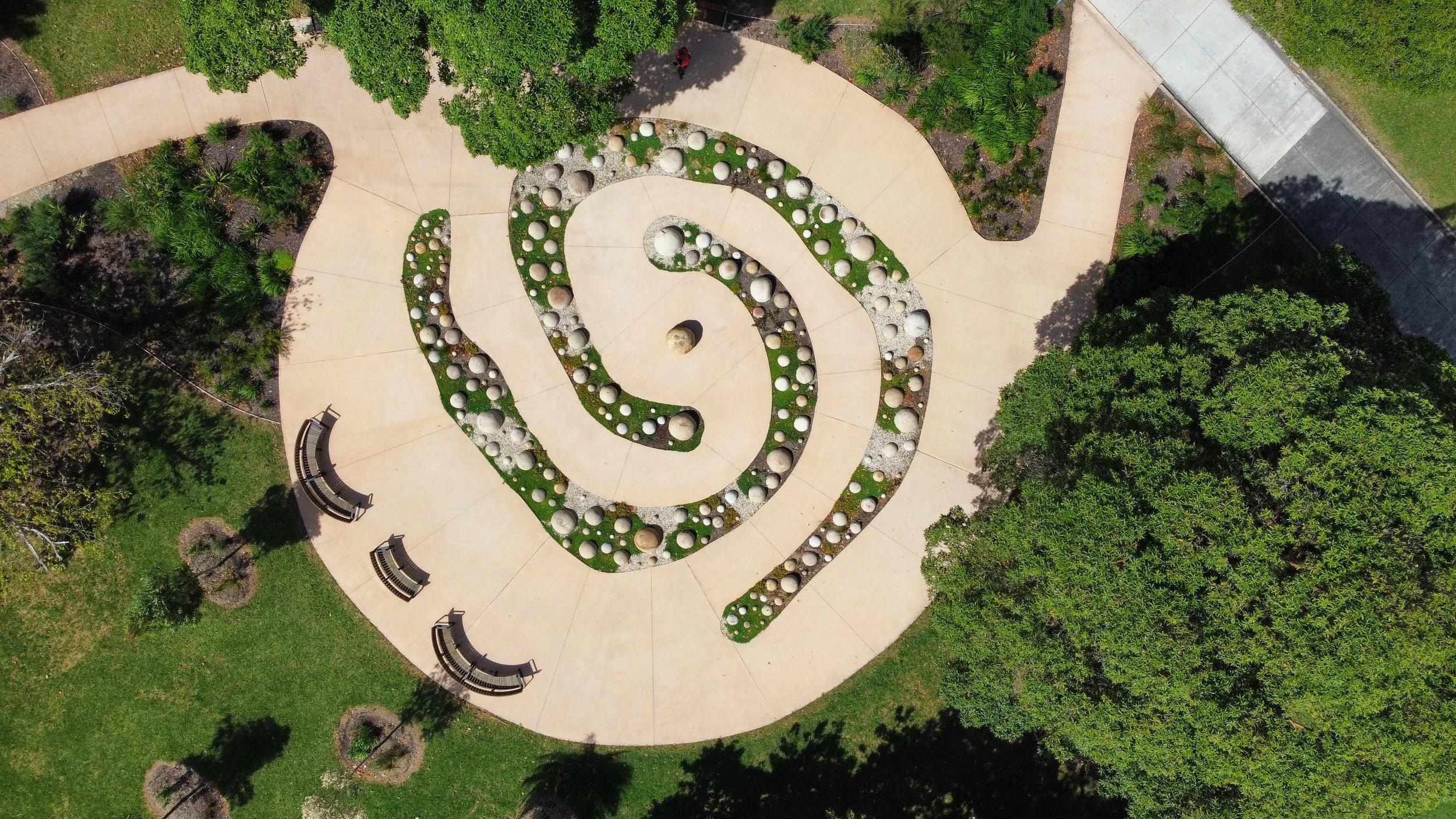
Breathe is an Aboriginal-led survival memorial developed through bidi bidi’s Country+Community design process, placing lived experience, cultural authority, and co-creation at the centre of the project. Conceived as an immersive journey rather than a static monument, Breathe responds to survival, resilience, reflection, and healing through embodied engagement with Country.
The engagement strategy began on site through yarning circles and co-creation workshops with local Aboriginal Elders, Knowledge Holders, Community and children. Participants were invited to draw and share culturally significant animals, plants, and symbols, which were respectfully translated into the carved sandstone elements embedded throughout the memorial. This ensured the work carries collective authorship, embedding community voices permanently within the landscape.
The memorial’s two intertwining pathways symbolise shared journeys, Aboriginal and non-Aboriginal, held by Country. Visitors are invited to physically engage with the work: stepping across stones, meandering through the spiral, and placing their hands into the carved handprints of local Aboriginal Community members. These tactile gestures foster emotional connection, empathy, and understanding, transforming visitors from observers into participants.
Sustainability and cultural care are embedded throughout the project. Recycled local sandstone, salvaged from development offcuts, was repurposed to honour Country and reduce environmental impact. Bush to Bowl curated and planted native species throughout the artwork, introducing scent, texture, bush foods, weaving materials, and opportunities for ongoing cultural learning. Aboriginal school children were invited to visit during construction, supporting intergenerational knowledge transfer and early engagement with cultural design practices.
The project also created pathways for mentorship, supporting an emerging Aboriginal public artist and reinforcing cultural continuity through skills development and professional practice.
More than a memorial, Breathe functions as a living cultural space, hosting Sorry Day, NAIDOC Week, education programs, and community gatherings. Designed with accessibility, neurodiversity, and intergenerational engagement in mind, it fosters cultural safety, dialogue, and healing for Aboriginal and non-Aboriginal communities alike.
Breathe demonstrates how architecture, landscape, and public art can work together to support truth-telling, resilience, and social cohesion, setting a benchmark for public memorials that are culturally responsive and Community-led in Australia.
Photo credit - Luisa Skyring